EXPLORING MEDICAL VS. RECREATIONAL OFFERINGS IN MISSOURI DISPENSARIES
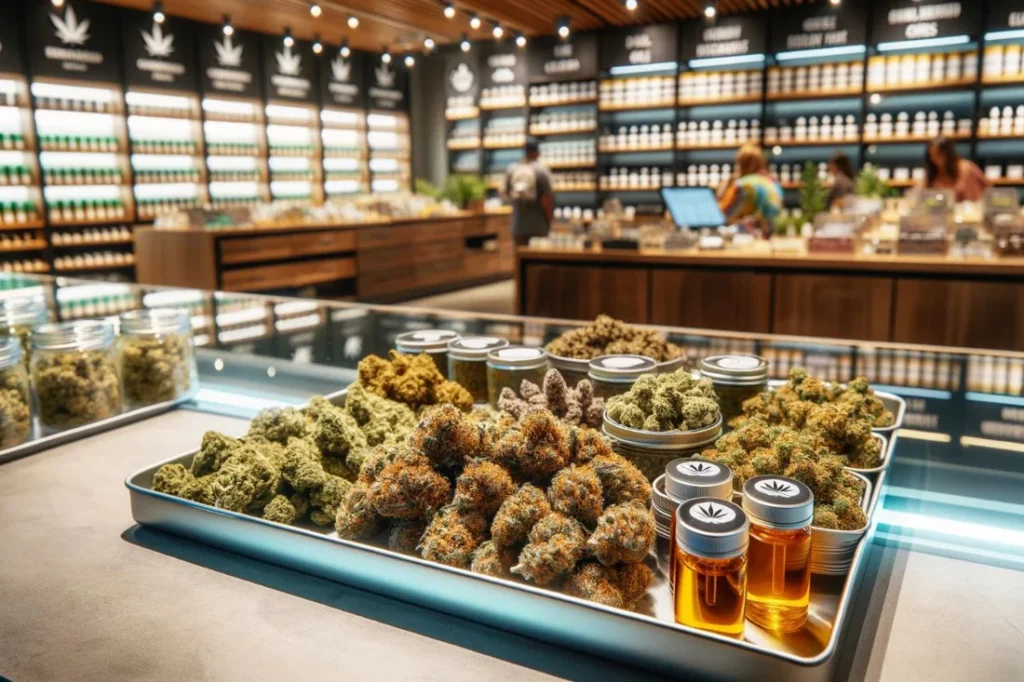
Missouri’s cannabis landscape features a dynamic interplay between medical and recreational dispensaries Illicit live rosin, each catering to distinct needs and regulations. Understanding the differences in offerings, consumer rights, and accessibility can enhance the dispensary experience for users across the spectrum.
Differences in Product Offerings
Medical dispensaries in Missouri typically offer a range of products tailored for therapeutic use, including high-CBD strains and formulations designed to treat specific medical conditions such as chronic pain, epilepsy, and anxiety.
These products are often available in various forms, including oils, tinctures, patches, and capsules, which provide precise dosing options for patients.
Recreational dispensaries, meanwhile, may focus more on high-THC products aimed at providing relaxation and enjoyment. These often include a wider range of flower strains, edibles, and concentrates that cater to the preferences of recreational consumers looking for diverse psychoactive effects.
Regulatory Environment and Consumer Access
The regulatory environment for medical and recreational cannabis in Missouri also differs significantly. Medical cannabis patients must obtain a prescription from a qualified physician and a state-issued medical marijuana card. This process ensures that patients have legal protection and access to dispensaries that are licensed to offer medical-grade cannabis.
Recreational users, on the other hand, are subject to more relaxed purchasing requirements but often face higher taxes and stricter purchase limits. Recreational dispensaries are also more broadly distributed, though still regulated in terms of location and operating hours to ensure community safety and compliance with state laws.
Consumer Experience and Education
Medical dispensaries typically offer a more consultative customer service experience, with knowledgeable staff trained to advise patients on the best products for their specific health conditions. These dispensaries also prioritize privacy and patient education, offering detailed guidance on product use, potential drug interactions, and side effects.
Recreational dispensaries, while still offering customer assistance, might focus more on the lifestyle and enjoyment aspects of cannabis use. They often create a more casual shopping experience that can include live demonstrations, tasting events, and educational sessions about the general benefits and uses of cannabis.
Community Impact and Outreach
Both types of dispensaries contribute differently to their communities. Medical dispensaries often engage in patient advocacy and support groups, providing a community for users to share experiences and advice.
Recreational shops might sponsor events or social gatherings that promote cannabis culture and education about responsible use.
Conclusion: Catering to Diverse Needs
Missouri’s dispensaries, whether medical or recreational, play vital roles in serving their communities with tailored offerings that cater to diverse needs and preferences.
By understanding the distinctions between these two markets, consumers can better navigate their options and make informed choices that enhance their personal and therapeutic cannabis experiences.